EDWARD'S LECTURE NOTES:
More notes at http://tanguay.info/learntracker
C O U R S E
A History of the World since 1300
Jeremy Adelman, Princeton University
 |
C O U R S E L E C T U R E The Indian Rebellion of 1857 and Its Ramifications Notes taken on October 8, 2015 by Edward Tanguay |
•
a mass upheaval in the 1850s
•
with echos around the world
•
would bring down both
•
the East India Company
•
last of the Mughal empires
•
the Enfield rifle would play a staring role in the saga
•
pressures to modernize faiths
•
Hindus
•
Muslims
•
accommodate rationalism into their explanations of the world
•
reconcile beliefs with new concepts of
•
individualism
•
egalitarianism
•
competitors
•
also for religious authority
•
especially with the advent of Protestant missionaries dreaming of converting all those souls in India
•
they were less successful, however, in direct conversions than as appearing as a threat to the incumbant spirtiual authorities
•
compound pressures in India
•
resistance to religious authorities
•
resistance to political authorities
•
1875 frustrations finally exploded
•
spasm of unrest against colonialism came from within the army
•
the East Indian Company was actually able to field this army against its rivals
•
came from one sector within the army called the sepoys
•
the location of the upheavals were in the areas in which the East Indian Company had established its deepest roots
•
special trained British units of the Indian army at the service of the East India Company
•
the local agents of control for the firm
•
lead to the upheaval of 1857 which was called the Indian Mutiny
•
the countryside was in revolt against British control
•
in trying to compete with growing competition, the East India Company began to extract more resources than the Mughals had ever done
•
the hot spots were generally where the company had a footprint
•
disputes over land as many Indian peasants were being disposed
•
the immediate precipitant for the uprising was the Enfield rifle
•
grease had to be used to get the cartridges down the barrel
•
the difficulty of the musket was range and accuracy
•
the difficulty for the Enfield rifle was to get the ballistic down in through the bore in this grooved barrel
•
the rumor spread that the grease which was to be used to get the bullet into the rifle was made of pig fat
•
this was of course an affront to Muslim sepoys whose belief system prohibited the contact with pig fat
•
if it would have been cow fat it would have been an affront to the Hindus
•
in fact it was false, the grease was not made out of fat at all
•
but British officers did nothing to allay the fears on the part of the soldiers that they were being asked to do something that was in violation of their spiritual beliefs
•
there were other problems
•
low pay
•
wretched conditions of troops
•
led to a march of 300 sepoys to Dehli in May of 1857
•
called to the last Mughal ruler, Bahadur Shah II (Zafar), to be their leader to lead a struggle to drive the British from India
•
they massacred a set of Christians on their way to Lucknow
•
this gave way to a whole sale revolt
•
thousands of sepoys flocked to Dehli to join in the uprising
•
soon the movement bore all the hallmarks of a Jihadist movement against British authority, the ulama priests blessed the rebels, mosques filled with rebels who prayed, and who called themselves the Mujahideen, Islamic warriors to defend a new moral order, a return to the old days in which India was ruled by an emperor who believed in the Holy Script
•
the result was
•
execution of people
•
behind the lines were simmering conflicts between Hindus and Muslims
•
British responded with reprisals which were equally as vicious
•
sporting their brand new weapon,the Enfield rifle
•
bombarded Lucknow
•
many aspects of the British repression took on aspects of a Christian crusade killing infidels as a response to the massacres of Christians
•
letting Sikh soldiers engage in public atrocities and torture
•
this uprising was beneficial for the Sikhs, as their loyalty and fighting tenacity made them the backbone of recruitment for the British Indian Army
•
Delhi
•
destruction
•
teeming with disease
•
heart of the revolt
•
the sepoys were remarkably brave but in the end, no match for the artillery and fire power that the British were able to yield
•
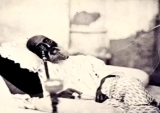
Zafar had tried to broker a peace but he was a reluctant rebel from the beginning
•
captured
•
1858 tried for treason and mutiny
•
sent him into exile to Burma
•
1862 died of disease
•
left behind simmering dislike and resentment towards the British
•
a simmering enmity between various religious orders that the Mughal empire was once able to accommodate more or less in its composite structure
•
balancing Hindu, Muslim, Christian and Jewish faiths
•
home in Britain
•
faced with the atrocities that were committed, they British government knew they had to change the way they ruled India, now in the absence of an emperor
•
to prevent further revolt
•
1858 The Act for the Better Government of India
•
made India formerly part of the British Empire
•
1877 Benjamin Disraeli, Conservative Prime Minister, had Queen Victoria proclaimed as Empress of India, a gesture to link the monarchy with the empire further and bind India more closely to Britain.
•
princes and nobles summoned to the plain of Delhi where last Mughal Empire was destroyed, to declare their loyalty and fealty to a new imperial sovereign
•
India was now a formal colony ruled by a viceroy as did the Spanish in Mexico after 1521