EDWARD'S LECTURE NOTES:
More notes at http://tanguay.info/learntracker
C O U R S E
Masterpieces of World Literature
Martin Puchner, Harvard University
 |
C O U R S E L E C T U R E Enkidu Introduced to Culture Via Shamhat Notes taken on January 19, 2018 by Edward Tanguay |
•
what are the problems of a ruler who is going off the rails like Gilgamesh?
•
he's starting how sleeping with women on their wedding nights
•
overtaxing the population
•
he's making young men work to build his great wall around his city
•
abusing his own population
•
Sumerian kings are usually wonderful
•
never do anything wrong
•
the king has a council of infinitely wise counselors
•
gods, however, are clamorous
•
a way of working through tensions in the earthly society
•
Gilgamesh
•
is an autocrat, nobody knows what to do
•
the towns people pray to the gods to help them
•
in older Babylonian chronicles
•
the king and his wise counselors always know the story their in
•
they know what's going on
•
nothing ever surprises the good counselor
•
the evil king who is your enemy may be taken by surprise
•
but never your king or your counselors
•
but here the gods send down Enkidu into the countryside who then starts messing up in the countryside
•
becomes a mirror image of Gilgamesh
•
he's messing up the country as Gilgamesh is messing up the city
•
the country people go plead to Gilgamesh
•
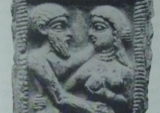
Gilgamesh sends out the temple prostitute Shamhat
•
she seduces Enkidu, he comes back
•
Gilgamesh doesn't understand that his clever ploy is actually the god's ploy to bring him under control
•
still Enkidu has even less idea what is happening to him
•
there is a theme here which is also in Arabian poetry
•
country life is better than the city
•
the virtuous people are pastoralists in the fields
•
Enkidu comes and sees Gilgamesh about to rape a woman on her wedding night
•
literature
•
literature is on the side of the city versus the country
•
literature is on the side of power
•
writing is developed for economic, judicial and religious purposes