EDWARD'S LECTURE NOTES:
More notes at http://tanguay.info/learntracker
C O U R S E
History of Rock, 1970-Present
John Covach, University of Rochester
 |
C O U R S E L E C T U R E Punk Goes Hardcore Notes taken on February 12, 2017 by Edward Tanguay |
•
punk arose from an underground scene in New York
•
you had to be at CBGB to know that it was there
•
some elements of that, especially the music of the Ramones, translated into a UK scene
•
Malcolm McLaren put together the Sex Pistols
•
the bands in New York profited from this
•
by the end of the 1970s, groups like Talking Heads and Blondie were having pretty good success
•
the American industry had recast punk as New Wave
•
taking the danger, the anger out of the music and turned it into an aesthetic protest instead of a political protest
•
punk went underground
•
an 80s scene developed which is often called Hard Core Punk
•
developed out of the music of the Ramones and Sex Pistols
•
loud, fast, and aggressive music
•
with a D.I.Y. aesthetic
•
bands starting their own record labels and distributing and distributing those records through small, independent record stores in local and regional areas
•
three local punk scenes
•
1. Los Angeles
•
the discontented youth idea of the 1970s
•
hard to understand what they were discontented about
•
The Decline of Western Civilization (1980)
•
Penelope Spheeris
•
documentary of the punk scene in Los Angeles
•
Fear
•
led by Lee Ving
•
appeared on Saturday Night Live
•
"New York's Alright If You Like Saxophones"
•
during the performance they shout "New York Sucks"
•
members of the audience started slam dancing
•
they faded to commercial because they were afraid that a riot was breaking about
•
anti-establishment
•
anti-music-business-establishment
•
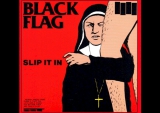
Black Flag
•
Greg Ginn
•
formed their own label, SST
•
released theirs and other's music
•
1978: Nervous Breakdown
•
distorted guitars
•
screamed vocals
•
profane lyrics about youthful alienation
•
songs are very short
•
entire EP last about 5 minutes
•
1981 Damaged
•
Minutemen
•
1981 The Punch Line
•
2. Washington D.C. / New York
•
different attitudes than in L.A.
•
more intellectual attitude toward political change
•
less angry ranting and more of a refined discourse
•
some groups anti-drug and anti-alcohol
•
Bad Brains
•
all African-American band
•
1982 Bad Brains
•
moved to New York
•
Teen Idles
•
Ian MacKaye
•
Minor Threat
•
1981 In My Eyes
•
3. Minneanapolis / St. Paul
•
more melodic
•
less angry on the surface
•
attracted a larger audience
•
The Replacements
•
Paul Westerberg
•
1979 formed
•
1983 Hootenanny
•
Twin/Tone label
•
"Color Me Impressed"
•
1985 "Bastards of Young"
•
Hüsker Dü
•
SST
•
1979
•
1984 Zen Arcade
•
had videos
•
1985 "Makes No Sense At All"
•
"Love Is All Around"
•
became the Mary Tyler Moore theme song