EDWARD'S LECTURE NOTES:
More notes at http://tanguay.info/learntracker
C O U R S E
History of Rock, 1970-Present
John Covach, University of Rochester
 |
C O U R S E L E C T U R E American Singer-Songwriters of the 70s Notes taken on February 19, 2015 by Edward Tanguay |
•
1960s authenticity trend in rock music
•
when you write a song, the lyrics should be about something important and serious-minded
•
it shouldn't just be about I want to hold your hand, and she loves you yeah, yeah, yeah
•
Dylan lead the charge in that direction
•
came from the folk tradition
•
one of the critics of Dylan was that he took the "we" out of folk music and turned it into the "me"
•
naval gazing, thinking about his own thoughts
•
the Beatles began to act more and more like singer-songwriters as the 60s progressed
•
the importance of being earnest
•
you have to create the impression of sincerity and personal expression
•
you have to be understood by the listener that what you are singing is something that you really think, experienced or resonate with
•
nothing should get in the way between the singer and the listener
•
no extended guitar solos
•
no cool sounds that come into the picture
•
acoustic guitar and piano are the simple instruments to communicate this
•
it's about the song, the sincerity, and the performance of it
•
James Taylor
•
starts out in Chapel Hill, North Carolina
•
a new artist with a direct connection back to the 1960s
•
1969 album "James Taylor", with Apple Records
•
"Carolina on my Mind"
•
"Something in the Way She Moves"
•
Warner Brothers, good success
•
1970 "Fire and Rain"
•
1971 "You've got a Friend"
•
written by Carole King
•
Carole King
•
one of the most important song writers of the 1960s
•
"Will You Still Love me Tomorrow"
•
hit after hit after hit
•
dry spell when the focus moved from New York to Los Angeles
•
also wrote for the Monkees
•
reemerges as a singer song-writer
•
with encouragement of James Taylor
•
"you can sing your own songs"
•
1971 album: Tapestry
•
a classic album
•
number one in 1971
•
"It's too Late"
•
"I Feel the Earth Move"
•
influential singer for you female singers
•
Paul Simon
•
after breaking up with Garfunkel
•
roots in 60s are clear
•
1972 "Kodachrome"
•
used the word as a metaphor for our memories
•
Kodak company insisted that it be acknowledged that Kodachrome was a trademark of the Kodak company
•
the BBC refused to play the song on the air because they thought they would be promoting a trademark, i.e. an advertisement
•
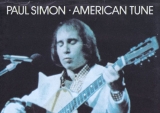
1973 "American Tune"
•
uses a Bach melody
•
rivaled Carole King and Bob Dylan as one of the best American song writers
•
Carly Simon
•
1971: Anticipation
•
1973: You're So Vain
•
a boyfriend who is self-absorbed
•
perhaps Warren Beatty
•
perhaps Mick Jagger
•
would be especially delicious because she gets him to sing background vocals
•
she has denied this
•
Harry Chapin
•
introspective songs
•
1972: Taxi
•
a taxi driver's passenger turns out to be an old woman friend
•
1974: Cat's in the Cradle
•
bitter sweet memories
•
Don McLean
•
1971: Vincent
•
1971: American Pie
•
one of the most studied songs when it first came out
•
has references to history of rock
•
Jim Croce
•
1973: Bad Bad Leroy Brown
•
1973: Time in a Bottle
•
both number one singles in 1973