EDWARD'S LECTURE NOTES:
More notes at http://tanguay.info/learntracker
C O U R S E
A History of the World since 1300
Jeremy Adelman, Princeton University
 |
C O U R S E L E C T U R E Portuguese Indian Ocean Empire Notes taken on October 12, 2013 by Edward Tanguay |
•
Europe set for more sea trips to the Indian Ocean
•
the news of da Gama's discovery of the Indian Oceans turned into a rampage
•
da Gama, humiliated by his experience in Calicut, was determined to return
•
1502: second trip to Calicut
•
went through every ship in the harbor
•
cut off the hands, noses and ears of sailors
•
burned ships with sailors aboard
•
burned a ship on its way to Mecca
•
intent was to show King Zamorin that he was resolved
•
Pedro Cabral
•
returned to Calicut two years after de Gama, bombarded port for two days
•
targeted entrepôt ports
•
1510 seized Goa
•
1511 seized Malacca
•
1513 could not seize Aden (Yemen)
•
1515 seized Hormuz
•
couldn't take them all
•
had to fight Ottoman fleets which were also in the area
•
on the whole, the pattern of aggression and war-making worked, relying on the combination of surprise and power of European military technology, that the artillery was on they ships changed the rules of the game
•
Portuguese created new hubs in Asia
•
occupied territorial Brazil and taking the choke points from Asia to Indonesia to the Red Sea
•
were changing the balance of the world
•
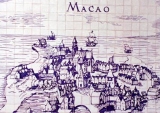
Macao
•
one of the two Special Administrative Regions of the People's Republic of China, the other being Hong Kong
•
administered by Portugal from the mid-16th century until late 1999, when it was the last remaining European colony in Asia.
•
new system called "Estado da Índia"
•
based in Goa
•
merchants were given a passport called a cartaz in return for protection, in other words, state-sponsored piracy
•
reached a limit, there is only so much predation can do in the long run
•
same time as Cortés was marching toward Aztec capital, the Portuguese were dreaming of their own empire in Indonesia and China
•
drugs and spices were part of the imagination and fantasy world of these explorers and discoverers
•
Tomé Pires (1465-1540)
•
Portuguese apothecary
•
fascinated with drugs, plants and spices
•
was sent to India Ocean to see what he could find out about the plants there
•
set up in Malacca
•
witnessed plundering and ravaging by Portuguese
•
fascinated by plant trade: bananas, hibiscus, bamboo, nutmeg, pepper
•
was sent to China to do for the Portuguese what Cortés had been doing for the Spanish in Mexico
•
1517 arrived in China and face different fate
•
Chinese Emperor was not like King Zamorin of Calicut
•
expected Chinese to welcome Europeans as potential allies against Islam, that old foe that was currently occupying Jerusalem
•
didn't understand the transcripts of diplomacy
•
was not greeted as he hoped, force to wait
•
this was part of the protocol, as well as declaring your subordination as a premise for becoming an imperial guest
•
news had arrived in the imperial city of the plundering and predation by Portuguese in the outskirts of the Indian Ocean system
•
emperor tore up letters from Pires
•
Pires and entourage was arrested
•
Portugese traders on coasts of China were killed, vessels sunk
•
as Cortés was taking down Tenochtitlan, Pires was sentenced of piracy and espionage, members of his entourage were executed, body parts were displayed around Guangzhou where they had set off the volley of cannon fire to impress the emperor and their bodies rolled ceremoniously across the hills of the cities dung hill heaps.
•
Pires was never seen again
•
what this tells us is the consequences of the patterns of Portuguese penetration, the limits of their predation, and of China's learning to defend themselves against the new European interlopers