EDWARD'S LECTURE NOTES:
More notes at http://tanguay.info/learntracker
C O U R S E
A Brief History of Humankind
Dr. Yuval Noah Harari, The Hebrew University of Jerusalem
 |
C O U R S E L E C T U R E The Second Agricultural Revolution and its Effect on Animal Treatment Notes taken on April 6, 2014 by Edward Tanguay |
•
the industrial revolution was the result of combining cheap and abundant energy and raw materials
•
this was felt first in agriculture
•
when thinking of the industrial revolution, we usually think of cities and factories and terrible working conditions
•
machines such as tractors began to do the work which had been performed by humans and animals or not performed at all
•
artificial fertilizers
•
artificial insecticides
•
industrially produced hormones and medications for animals
•
refrigerators, airplanes, trucks
•
enabled transporting of produce and animals globally
•
animals were seen less as sentient creatures and more as machines for producing food
•
their bodies are becoming shaped by scientists in accordance with industrial needs
•
egg-laying hens have a natural need to move around, t groom other chicks and chickens
•
the egg industry often locks hens in 22 x 25 cm cages
•
hens receive enough food but are not able to engage in natural activities
•
cages are often so small the hens are unable to flap their wings
•
pigs are some of the most intelligent and inquisitive animals, much like the great apes
•
yet they are confined in small cages
•
not able to turn around
•
keeps in crates for four weeks after their birth
•
cows often live almost all of their years inside a small enclosure
•
machines bring them food
•
machines milk cows
•
treated as machines: they take in raw materials and produce the product milk
•
chicks are sorted by factory workers into those which are useful or not (male chicks and imperfect female chicks are not useful to the industry), those which not useful are often shredded, disposed of, or fed to other animals
•
this is not caused by hatred of animals
•
it is fueled by greed coupled by indifference
•
most of us don't think about or know where our meat and eggs come from or the way the animals were treated which produced this food
•
animal emotions evolved because they helped the species reproduce
•
in the wild, cows had to know how to form relations with other cows in order to reproduce
•
play is the way young mammals learn social behavior
•
calf stays near the mother since it is essential for the survival of the calf
•
today in modern farm factories, cows are separated from calves
•
the needs of the calf to play and bond with other cows and calves, and to be near its mother is ignored
•
from the perspective of the calf, it still feels a strong urge to bond with its mother and play with other calves
•
if these urges are not fulfilled the cow suffers psychologically
•
the tragedy of modern agriculture is that it cares for animals' physical needs but neglects their psychological needs
•
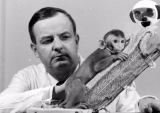
Harry Harlow, experiments 1950s
•
monkeys were raised by dummy mothers
•
one had a bottle so the monkey could suck and eat
•
the other was made from wood which made her resemble a real monkey but did not provide the infant monkey with any food
•
Harlow would assume that the infant would cling to the wire mother which gave them milk
•
but to their surprise, they infant monkeys preferred the mother that was softer
•
he suspected they did this because they were cold
•
so he put heaters in the wire mothers
•
but nevertheless the majority preferred the clothed mother
•
this indicated that the monkeys have emotional needs
•
these monkeys also grew up to be emotionally unstable
•
had difficult communicating
•
suffered from anxiety and aggression
•
this study also changed the view of human child psychology
•
in the 1940s and 1950s, it was believed children simply needed physical needs met
•
orphanages from that time separated children from each other and from adults, mainly because they feared disease
•
produced psychological traumas and problems
•
these studies indicated that not only monkeys but humans have psychological needs which can be met through social contact with other members of the species
•
industrial agriculture for the most part ignores these findings when it comes to raising animals such as cows and pigs
•
yet in the last 100 years modern agriculture has made an immense contribution to human productivity and food reserves
•
billions of farm animals live as part of a kind of mechanized assembly line
•
10 billion animals are slaughtered each year by industrial agriculture
•
in almost all previous human societies, peasants comprised 80-90% of the population, and was true until the earlier 20th century
•
industrial agriculture enabled a large percent of the population to move from farmers to other jobs
•
today only about 15% of the total U.S. workforce produce, process and sell the nation’s food and fiber, and the U.S. exports food to other countries
•
without the agricultural revolution of the last century, urban industrial revolution