EDWARD'S LECTURE NOTES:
More notes at http://tanguay.info/learntracker
C O U R S E
Sexing the Canvas: Art and Gender
Jeanette Hoorn, The University of Melbourne
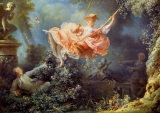 |
C O U R S E L E C T U R E Rococo Eroticism in 18th Century Popular Culture Notes taken on May 2, 2017 by Edward Tanguay |
•
Jean-Honore Fragonard (1732-1806)
•
a student of Boucher
•
successful career on his own
•
had an unofficial career
•
had joined the academy as a student
•
was never officially in the academy since he didn't submit the final work
•
was able to have a successful career outside of court circles
•
producing a number of prints for the print market
•
different market
•
accessible to a more middle class
•
Enlightenment writers and critics
•
concerned with moral integrity of society
•
vaguely sexualized paintings without any sort of ethical conclusion
•
prints were supposed to have narratives that could be understood by middle class audiences which may not understand the coded references in higher art
•
1778 The Armoire
•
can be encoded by various audiences
•
a bedroom scene
•
the armoire is the cupboard
•
lover on left-hand side
•
her angry parents on right
•
the bed is unmade, they have been in the bed
•
onlookers at the door to enjoy the action and drama and the scene
•
a little boy and little girl on the right who are learning from this scene
•
may not understand the full sexuality of the narrative
•
but understand that these two people have been caught doing something that the parents think they shouldn't have been doing
•
code: his hat
•
one hand holding onto the armoire
•
the other hand you can't see
•
hat is being held up not by a hand
•
yet the hat is on his head, so to say
•
remorse at being caught
•
you read from right to left to understand the scene
•
the rush of the parents
•
sexuality that has been consummated
•
then from left to right to interpret the scene
•
sexuality that has been reprimanded
•
the end of Rococo
•
French artists responding to more middle class values
•
but there are still references back to the coded, sexual or erotic motifs that also entertai elite viewers
•
and see a continuity from the early Rococo stages into its later stages about 10 years prior to the Revolution