EDWARD'S LECTURE NOTES:
More notes at http://tanguay.info/learntracker
C O U R S E
A History of the World since 1300
Jeremy Adelman, Princeton University
 |
C O U R S E L E C T U R E The Industrial Revolution and the Transition of Non-Renewable Energy Notes taken on February 28, 2015 by Edward Tanguay |
•
Adam Smith called those worlds that Europe was occupying "wastelands"
•
their potential was latent
•
to turn them into productive assets it would take:
•
colonization
•
settlement
•
privatization
•
the transformation of wastelands into fertile, arable lands
•
a kind of ecological windfall
•
in the same way silver had been a windfall in an earlier cycle of European expansion
•
created radically new opportunities to
•
improve diet
•
shape everyday life in Europe
•
the backdrop to the industrial revolution
•
industrial revolution
•
was neither particularly industrial or revolutionary except at the end of the process
•
had much to do with agriculture
•
was nothing that happened in a given year as the word revolution often refers to in the 19th and 20th centuries
•
transformation
•
not just in manufacturing
•
transportation
•
agriculture
•
services
•
taking place in all sectors of the European and neo-European economies
•
energy harvesting
•
in a sense began with the windmill around the year 1200
•
culminated with James Watt's steam engine in the 1770s
•
energy from wind to coal
•
the cumulative switch from the humble windmill
•
the switch from renewable to non-renewable energy sources was a powerful one
•
a movement away from the reliance of plants and animals for an energy source
•
ultimately animals relied on plants for an energy source to keep themselves going
•
mining stores of energy in minerals
•
two breakthroughs
•
previously all outputs are drawn from the system that require equivalent inputs
•
horses require energy that they consume by eating in the field
•
there was a fundamental limitation to the amount of energy you could get from the environment
•
you had to put plants back into the ground for the horses to eat to get energy again
•
the inorganic world would free humans from the necessity of this basic balance
•
taking coal from the ground was a way of breaking the natural balance that had to be observed
•
improvements in production methods in this new inorganic world
•
speeds could be controlled once you harnessed energy
•
variables were easier to manipulate
•
result was a massive upturn in productivity growth rates
•
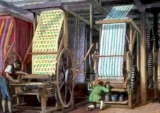
clearest in the production of cotton textiles
•
1770-1790 output increased ten-fold while the price decreased by 90%
•
one of the hallmarks of this age is that machines could be produced which could augment the productivity of a single man, in a factory
•
combine this new use of energy with this new technology intensifying the internal division of labor
•
the industrial revolution could be called a "productivity revolution"
•
coal and eventually oil had to be gotten from far away
•
you now have a whole sector of the economy devoted to finding energy
•
the basic goods that went into producing new products often came from the colonies, e.g. cotton from the American South, Brazil or Egypt
•
out of Europe would emerge, as a result of this revolution, inexpensive cotton goods
•
these could be exported
•
Europe used to rely on exporting precious medals to Asia in return for prized commodities, but now they could export inexpensively produced products
•
had to find markets to sell cotton textiles
•
began to compete with local producers of textiles
•
an early example of globalization
•
countries and regions in Europe began to specialize in the product of manufactured goods, and the colonies specialized in basic goods