EDWARD'S LECTURE NOTES:
More notes at http://tanguay.info/learntracker
C O U R S E
A History of the World since 1300
Jeremy Adelman, Princeton University
 |
C O U R S E L E C T U R E The Influenza Pandemic of 1918-1919 Notes taken on July 17, 2018 by Edward Tanguay |
•
leaders of the world discussed world peace in Versailles
•
one of the coldest winters in recorded history
•
millions of people froze to death
•
in 1918 and 1919 the real killer was disease
•
pathogens shaped world history
•
germs and viruses don't respect national, ethnic and class barriers
•
left 100 million people dead
•
this plague was more devastating than the war itself
•
675,000 Americans died in the influenza epidemic
•
10 times the war casualties
•
people found themselves living in a global age
•
helped to spread the disease more quickly
•
one fifth of the world's population was infected
•
followed trade and shipping lanes
•
aggravated by the vast movements of armies
•
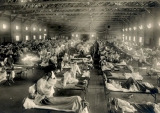
the first epidemic in the United States was in army camps in Kansas
•
around the world, the Armistice celebrations were the most cataclysmic day for the spread of the influenza
•
in the festivities, the kissing and the hugging in the streets were perfect vectors for spreading the disease
•
people would celebrate, go home, and die
•
the health systems were already maxed out because of the war wounded
•
some silver linings
•
we learned a great deal about
•
public health
•
disease
•
first world war had left 9 million soldiers and 7 million civilians dead, but far more casualties from the disease
•
aggrevated tensions within goverments
•
among the victors and defeated
•
1919 was a year not just of disease, but of great upheaval and in surgency
•
Berlin
•
1919 - The Spartacist Uprising
•
communists' efforts trying to take over the government
•
Winnepeg
•
first large strike
•
Buenos Aires
•
Semana Tragica
•
India
•
Mahatma Gandhi
•
took over editing of the Young India Magazine
•
preached open resistance
•
began planning his own general strikes
•
added to the urgencies of rebuilding societies
•
this was common at the end of wars
•
having to discuss how to effect a durable peace
•
started the second great age of revolutions
•
the first were e.g. those of France and America and Latin America
•
here we have a different kind of search for Utopia